
A small orange spot on a trailer hitch or steel railing can look harmless. But rust does not stay on the surface just because it starts there. If you are asking when should rust be removed, the practical answer is: before it spreads beneath paint, weakens the metal, or turns a straightforward refinishing job into a repair.
Rust removal is not always an emergency on day one. The right timing depends on the asset, the type of rust, its location, and whether moisture can keep feeding the corrosion. The key is knowing when you are looking at a cosmetic issue and when you are looking at active deterioration.
When Should Rust Be Removed From Metal?
Rust should be removed as soon as you see evidence that a coating has failed or corrosion is growing. On outdoor metal, equipment, vehicles, railings, gates, structural steel, and work trailers, waiting usually increases the scope and cost of the job.
Rust forms when iron or steel is exposed to oxygen and moisture. Rain, humidity, road salt, wet soil, fertilizer, chemicals, and coastal air can all accelerate the process. Once rust starts, it can creep beneath surrounding paint or coatings even when the surface still looks mostly intact.
Early removal is especially worthwhile when you plan to repaint, powder coat, weld, repair, or sell an asset. A new coating needs a clean, properly prepared surface. Painting over corrosion may improve the appearance for a short time, but it does not stop the rust that remains underneath.
Surface Rust vs. Rust That Needs Immediate Action
Not every rust spot means the metal is close to failure. Light surface rust is often limited to the top layer of the steel. It may appear as a thin orange or brown film, usually where paint has been scratched, chipped, or worn away. If the steel is still smooth, solid, and free of flaking, there is usually time to schedule removal before the next coating project.
That said, surface rust should not be ignored for long. It is the easiest and least expensive stage to address. Removing it promptly gives you a clean base for primer and paint before corrosion gets into seams, joints, edges, and hard-to-reach areas.
More serious rust requires faster action. Watch for bubbling paint, rough scale, flakes falling from the surface, deep pitting, swelling around seams, or soft spots in the metal. These signs suggest rust has advanced beyond the surface and may be holding moisture against the steel.
If you can push through the metal, see holes, or notice thinning around load-bearing areas, the issue is no longer only about cleaning and coating. The part may need repair, reinforcement, or replacement before it can be safely returned to service.
Do Not Wait on Safety-Critical Parts
Rust on decorative garden furniture is different from rust on a trailer frame, truck bed, equipment guard, stair railing, steel support, or machine component. Where metal carries weight, protects people, or supports moving equipment, corrosion deserves immediate attention.
Pay particular attention to welds, mounting points, suspension areas, brackets, handrails, steps, trailer tongues, and the underside of equipment. Rust often develops in these locations before it becomes obvious from a normal walk-around inspection.
Why Rust Often Looks Smaller Than It Is
Paint can hide corrosion for a surprisingly long time. A small blister in a painted surface may have a much larger area of rust underneath it. Moisture enters through a chip, pinhole, damaged seam, or failed edge, then travels beneath the coating.
This is one reason spot sanding can be unreliable for larger restoration work. Sanding may clean the visible face while leaving corrosion in pitted steel, panel edges, corners, and irregular profiles. If rust remains, a new coating can fail sooner than expected.
Abrasive blasting is often the better option when the surface has widespread rust, peeling paint, mill scale, old coatings, or difficult contours. The process can strip contaminants and corrosion from areas that are slow or impractical to clean by hand. The goal is not simply to make metal look clean. It is to create a sound surface that can accept the next coating system.
Timing Rust Removal Around Weather and Coating Work
The best time to remove rust is before wet weather and before a coating failure spreads. For equipment that is used seasonally, plan restoration during the off-season or before heavy use begins. A trailer, metal fence, agricultural attachment, or work vehicle is easier to take out of service before it becomes an urgent repair.
Weather also matters after surface preparation. Freshly blasted steel is highly reactive. If it is exposed to humidity, rain, or condensation without protection, flash rust can develop quickly. That is why rust removal and coating should be planned as connected steps, not separate projects spaced far apart.
A professional surface-preparation plan considers the substrate, the condition of the metal, the intended coating, and the environment the asset will face afterward. A railing exposed to regular rain needs a different approach than indoor machinery or a decorative metal piece kept under cover.
When Removal Can Wait Briefly
There are situations where removal can wait, provided the metal is monitored and protected from further moisture. A small area of light surface rust on a non-structural indoor item is usually less urgent than corrosion on outdoor equipment. The same is true of a minor spot on a project that is stored dry and will be properly refinished soon.
Waiting is not the same as forgetting about it. Mark the area, keep it dry, and inspect it periodically. If the spot grows, the finish begins lifting, or the metal becomes rough or pitted, move the project forward.
Avoid applying a quick coat of paint just to hide active rust. Temporary touch-ups can be useful when done with appropriate preparation and compatible products, but they should not replace proper cleaning where corrosion is established. The more rust left behind, the less dependable the finished coating will be.
Choosing the Right Rust Removal Method
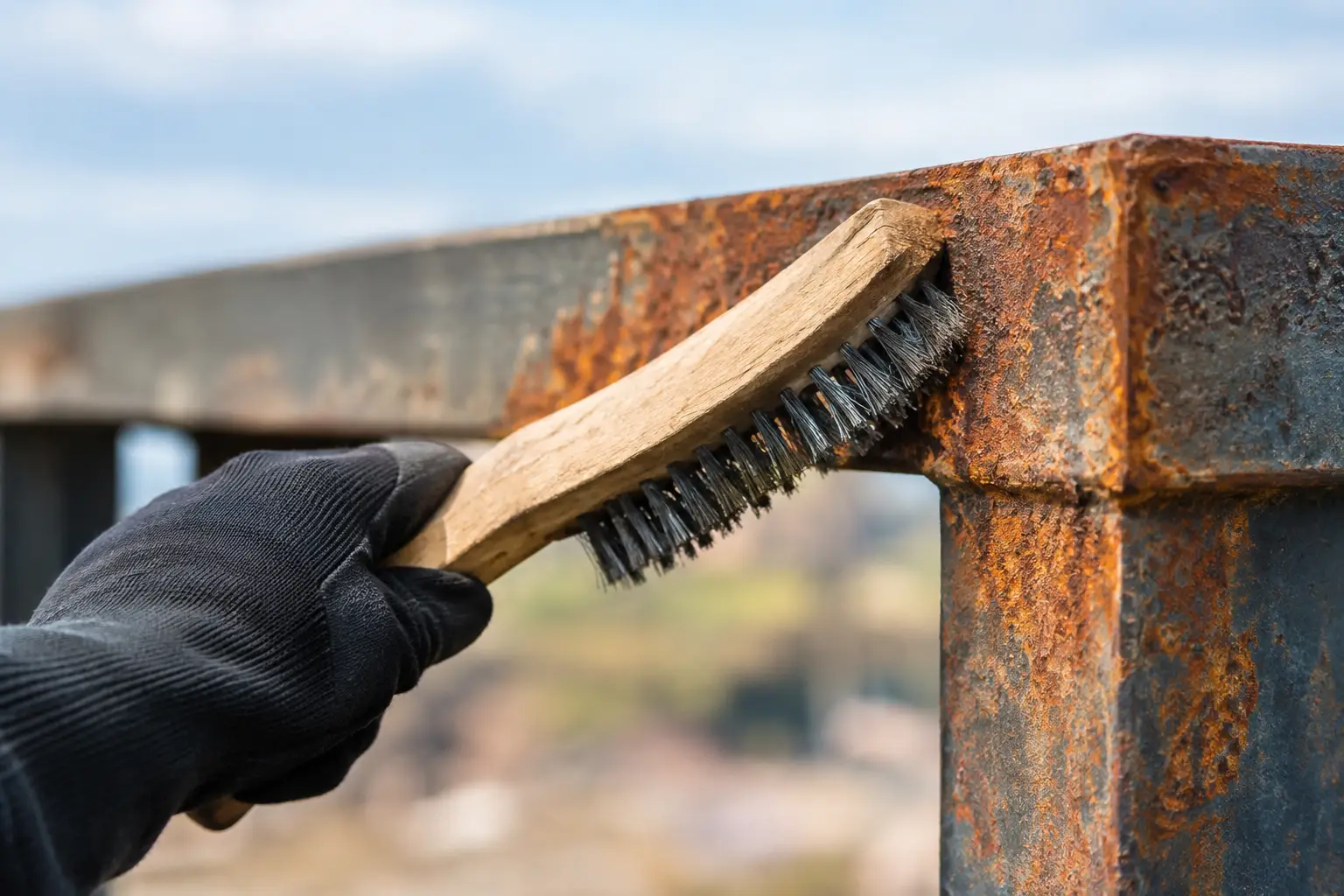
The right removal method depends on the size of the job and the condition of the metal. Wire brushing and sanding can work for a very small, accessible patch of light rust. They are less effective for heavily corroded surfaces, tight corners, textured steel, thick scale, and large assets.
Chemical rust removers can be useful on certain items, but they require careful handling, cleanup, and attention to product instructions. They may not be practical for large equipment, structural pieces, or surfaces with multiple old coating layers.
Abrasive blasting is often the most efficient choice when complete coating removal and consistent surface preparation are needed. Media selection and blasting pressure should match the substrate. Heavy steel can tolerate a different approach than thin metal, masonry, or delicate components. The objective is to remove corrosion without damaging the material underneath.
For restoration and commercial work, the value of professional blasting is consistency. It helps expose the true condition of the surface, including pits, cracks, failed repairs, and areas where metal may need attention before coating.
A Clean Surface Gives the Next Step a Chance
Rust removal is not about chasing every faint discoloration the moment it appears. It is about acting before corrosion undermines the metal, the coating, or the safety of the asset. Early surface rust is usually a manageable preparation project. Flaking scale, pitting, bubbling paint, and structural thinning are signals to stop waiting.
If a metal surface is headed for paint, repair, or restoration, treat rust removal as the foundation of that work. A clean, dry, properly prepared surface gives the next finish a real chance to hold up where it counts.